We invite you to get to know the Twinnovation project, where innovation meets collaboration! The Twinnovation project uses a unique dual approach – companies are offered a specialized training program on digital and green, or twin, transition, and they receive support in small pilot projects, with the goal of developing innovative solutions for products, services, or processes. The project partnership, designed for cross-border cooperation, involves the following business and innovation support organizations – Baltic Innovation Agency, Latvian Chamber of Commerce and Industry, Estonian Chamber of Commerce and Industry – as well as 10 dynamic small and medium-sized enterprises: Siidrikoda, Mällona Mõis, Dipperfox, Afterone, Peruza, Sakret, Kurzemes Atslēga, Valmiermuižas Alus, Baltic Satellite Service, Rāmkalni Nordeco.
One of the most important tasks for SMEs when moving to a dual transition is getting the right guidelines that match their specific issues. That’s why companies need support to understand what this transition means for their business, innovative ideas, and how to turn these challenges to their advantage and what they can gain from it. The situation in Latvia and Estonia regarding the dual transition is very similar, so cross-border cooperation will help make this transition process easier.
The main goal of the project is to combine theory with practice, supporting the competitiveness of the project partners from SMEs and inspiring others to start their own dual transition. By tackling the challenges of the dual transition, the project focuses on helping SMEs in Latvia and Estonia adapt to changing conditions, learn the latest technologies, and create innovative workplaces. By promoting regional cooperation, the project aims to boost growth and competitiveness in both countries, positioning them as centers of innovation for dual transition.
Project partners representing SMEs will develop and implement a dual transition action plan over 1-3 years. Within a year of completing the plan, they will launch an innovative pilot project in the field of digital and/or green transition. This pilot project will serve as a starting point for a broader dual transition strategy aimed at achieving tangible results and innovative solutions in processes, services, or products. The goal of the pilot project is to introduce new or improved products/services and explore innovative business models and processes aligned with their dual transition action plan.
Planned results of the “Twinnovation” project:
- 13 Organizations That Carry Out Cross-Border Cooperation
- 10 Jointly developed and implemented pilot actions in projects
- 10 Jointly Developed Solutions
- 10 Innovative solutions in SME products, processes, services, or marketing
Project partners
The lead partner of the project is the Estonian organization Baltic Innovation Agency. The project partners are business support organizations like the Latvian Chamber of Commerce and Industry and the Estonian Chamber of Commerce and Industry, Estonian companies Siidrikoda, Mällona Mõis, Dipperfox, Afterone, as well as Latvian companies Peruza, Sakret, Kurzemes Atslēga, Valmiermuižas Alus, Baltic Satellite Service, and Rāmkalni Nordeco.
Project implementation period
1/11/2023-31/10/2025
Project budget
The project's total budget is €585,687.50, with €468,550.00 coming from the European Regional Development Fund (ERDF), and €117,137.50 being funded by the project's partners. The ERDF provides 80% of the total project budget.
Funding
Funded by the INTERREG Estonia-Latvia Cross-Border Cooperation Programme 2021-2027 (ERDF) support
More information about the program: https://estlat.eu/en
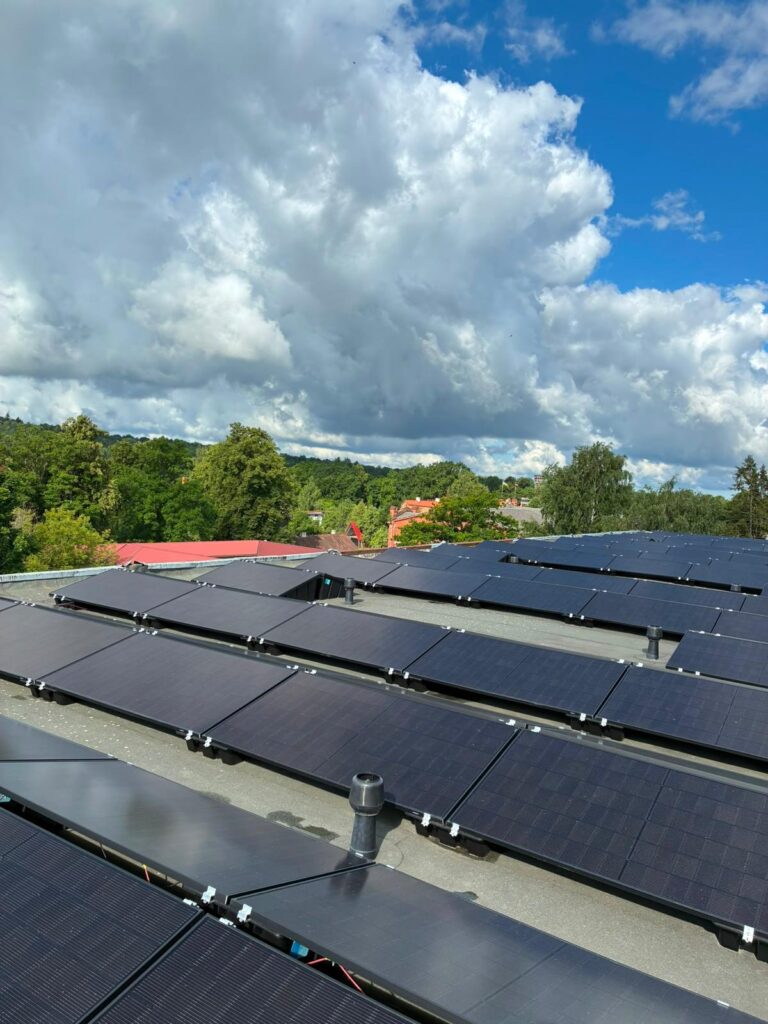
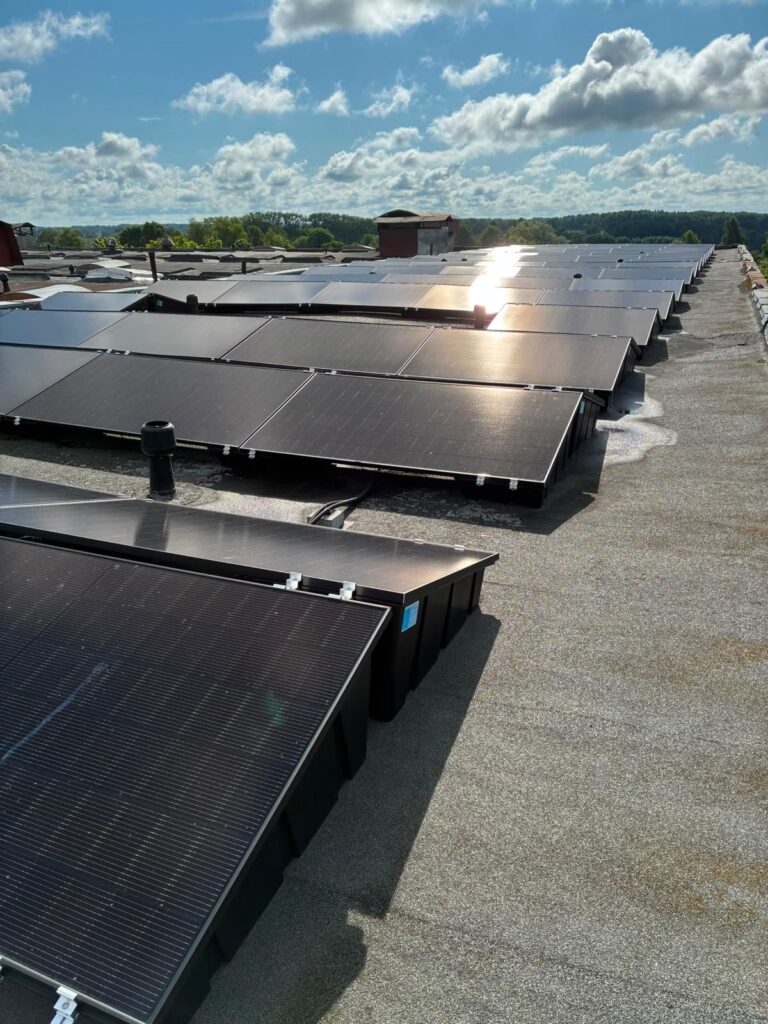
 A 0.065 MW solar power plant has been installed.
 About 59 MWh of electricity will be produced over the year.
 CO₂ emissions will decrease by about 6.45 tons per year.
 On sunny days, the electroplating workshop works using the green electricity it produces itself.